Practical Tips for Hosting Neighborhood Gatherings
As community connections become increasingly vital, hosting neighborhood gatherings can foster relationships and create a sense of belonging. This article provides practical tips that can help you create enjoyable and memorable events. By following these guidelines, you can enhance participation and strengthen local bonds.
Understanding the Importance of Community Events
Community gatherings play a significant role in enhancing social interactions among residents. According to research, individuals who engage in community activities often report improved well-being and a greater sense of belonging. These gatherings can serve as platforms for sharing interests, cultivating friendships, and building a supportive environment.

"Communities that foster social connections tend to thrive, with members often enjoying better mental and emotional health." - Community Development Expert
Choosing the Right Type of Gathering
When planning a neighborhood event, consider the interests of your community members. Industry experts suggest tailoring events to suit your audience, which often leads to higher engagement. Here are some ideas:
- Meet-and-greets: A casual introduction session allows neighbors to get acquainted.
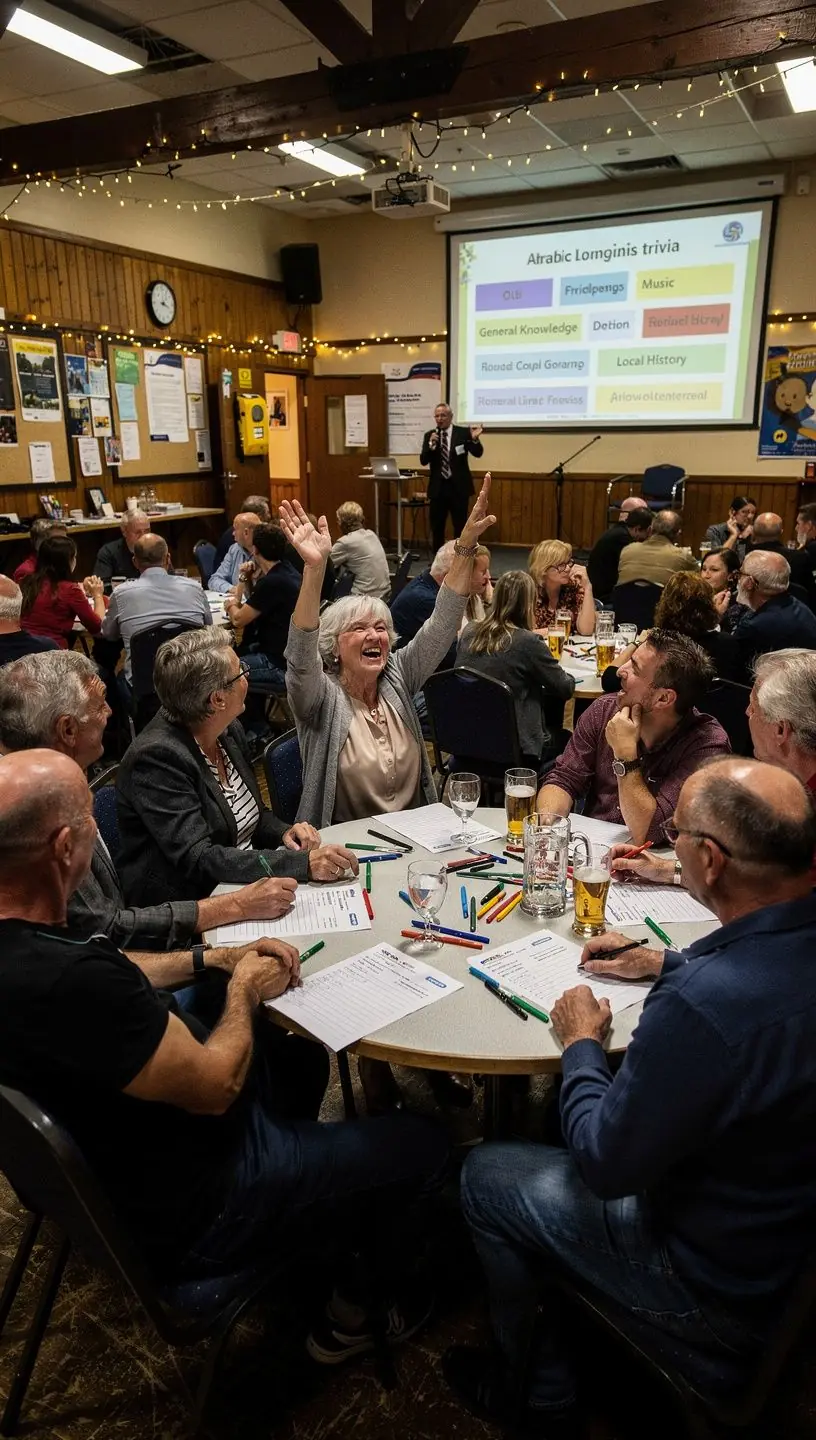
- Game nights: Board games or trivia can create a fun, competitive atmosphere.
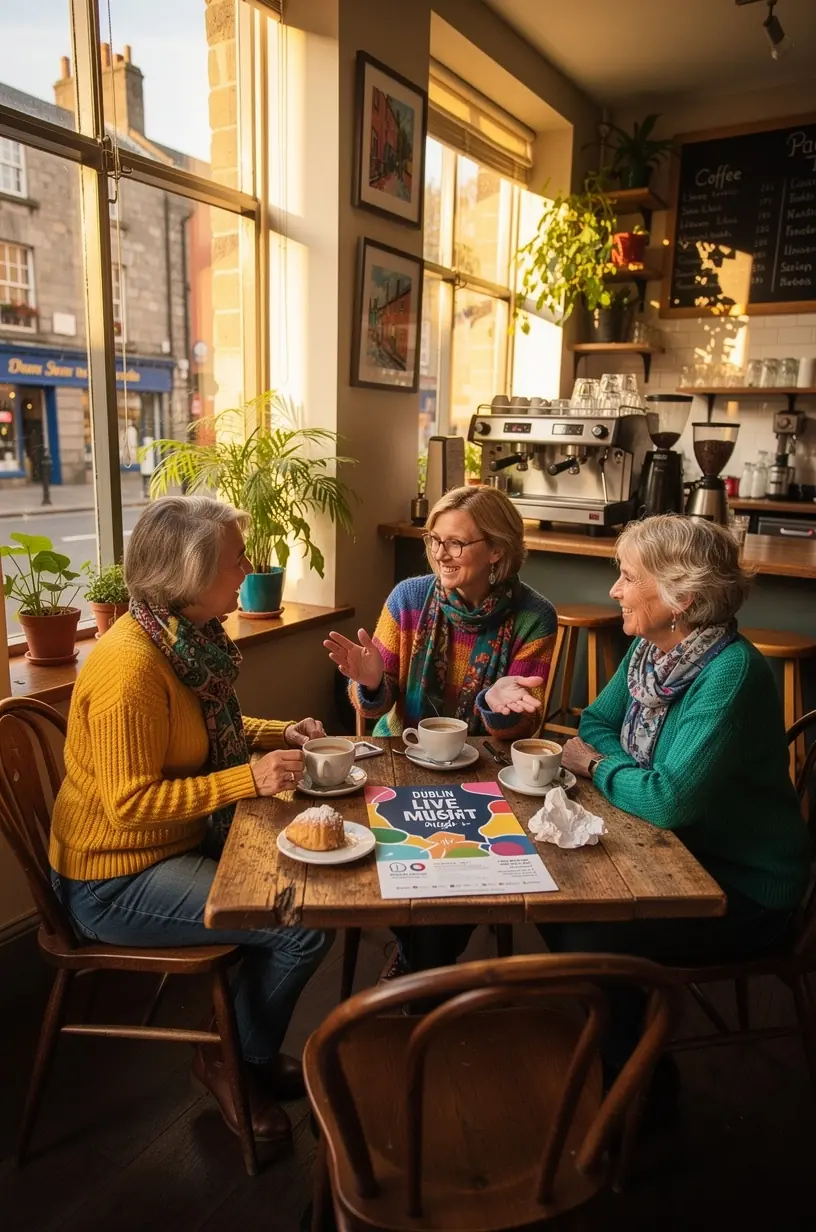
- Cultural gatherings: Music nights or art showcases can celebrate local talents.
Setting the Scene for Success
Creating a welcoming environment is essential for a successful gathering. Here are some practical steps to consider:
- Location: Choose a common space, such as a community hall or park, that is accessible to everyone.
- Date and Time: Schedule events when most neighbors are free, typically on weekends or public holidays.
- Promotion: Use community boards, social media, or word-of-mouth to invite residents, ensuring that everyone is informed.
Logistics and Preparation
Effective preparation is key to a smooth event. Research indicates that planning ahead can significantly reduce stress. Consider the following:
- Supplies: Make a checklist of necessary items, such as seating, food, and entertainment materials.
- Volunteer help: Many users report success in organizing events by enlisting volunteers from within the community.
- Weather considerations: If hosting outdoors, have a backup plan in case of inclement weather.
Engaging Participants During the Event
Active engagement keeps participants involved and promotes interaction. Experts recommend incorporating activities that encourage participation, such as:
- Icebreakers: Simple games or discussion prompts can warm up the atmosphere.
- Feedback opportunities: Asking for input during or after the event helps plan future gatherings more effectively.
- Networking chances: Design areas for people to mingle and connect, facilitating relationships.
Follow-Up After the Gathering
After the event, consider ways to maintain momentum. Sending a thank-you message to participants can foster goodwill and encourage future gatherings. According to community best practices, follow-up communication can help build anticipation for the next event.
Conclusion
Hosting neighborhood gatherings is a practical way to strengthen community ties. By understanding your audience, preparing effectively, and engaging participants, you can create memorable events that enhance local connections. Remember, while there may be challenges, the rewards of fostering a tight-knit community can be profound. With the right approach, you can cultivate a sense of belonging that resonates long after the gathering ends.
Discover More