Understanding Intergenerational Connections in Communities
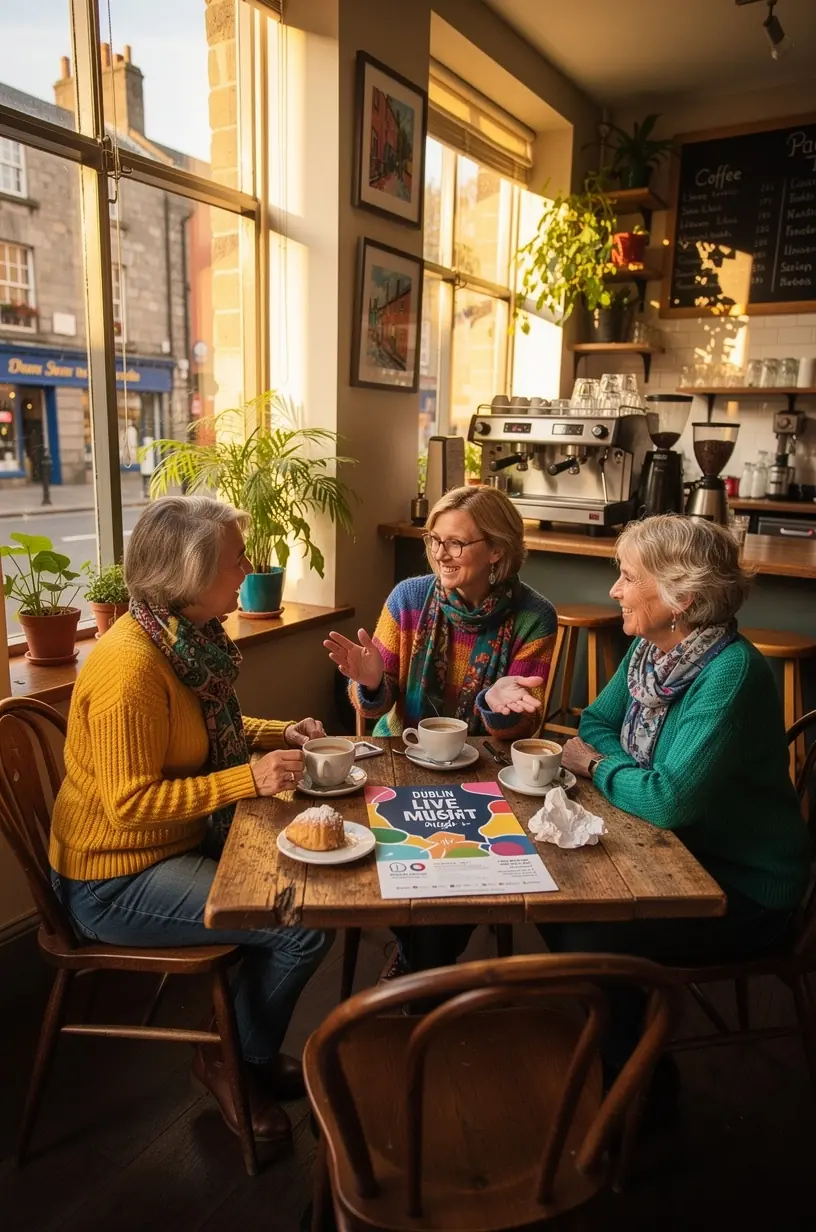
In today's rapidly changing society, fostering intergenerational connections is crucial for building vibrant, cohesive communities. This article explores the significance of these relationships and offers practical insights on how to nurture them.
Why Intergenerational Connections Matter
Research indicates that intergenerational relationships can enhance community engagement and promote mutual understanding. According to a study by the Pew Research Center, communities with strong intergenerational ties often report higher levels of social cohesion and lower rates of loneliness among older adults. This is important because social isolation can negatively impact mental health, particularly among those aged 40 and above.
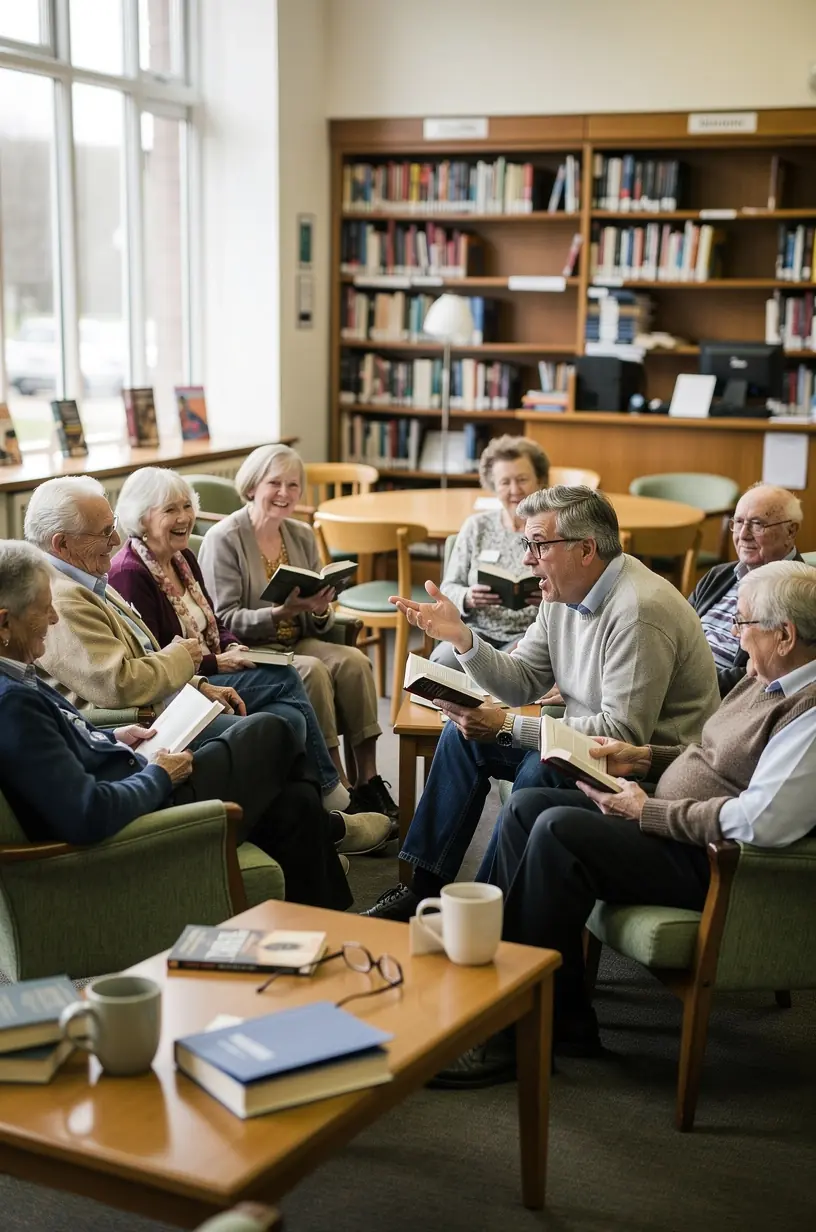
"Promoting interaction between different age groups can enrich lives and build more resilient communities." - Community Development Expert
Building Bridges Between Generations
To foster intergenerational connections, it's essential to create opportunities for meaningful interaction. Here are some effective approaches:
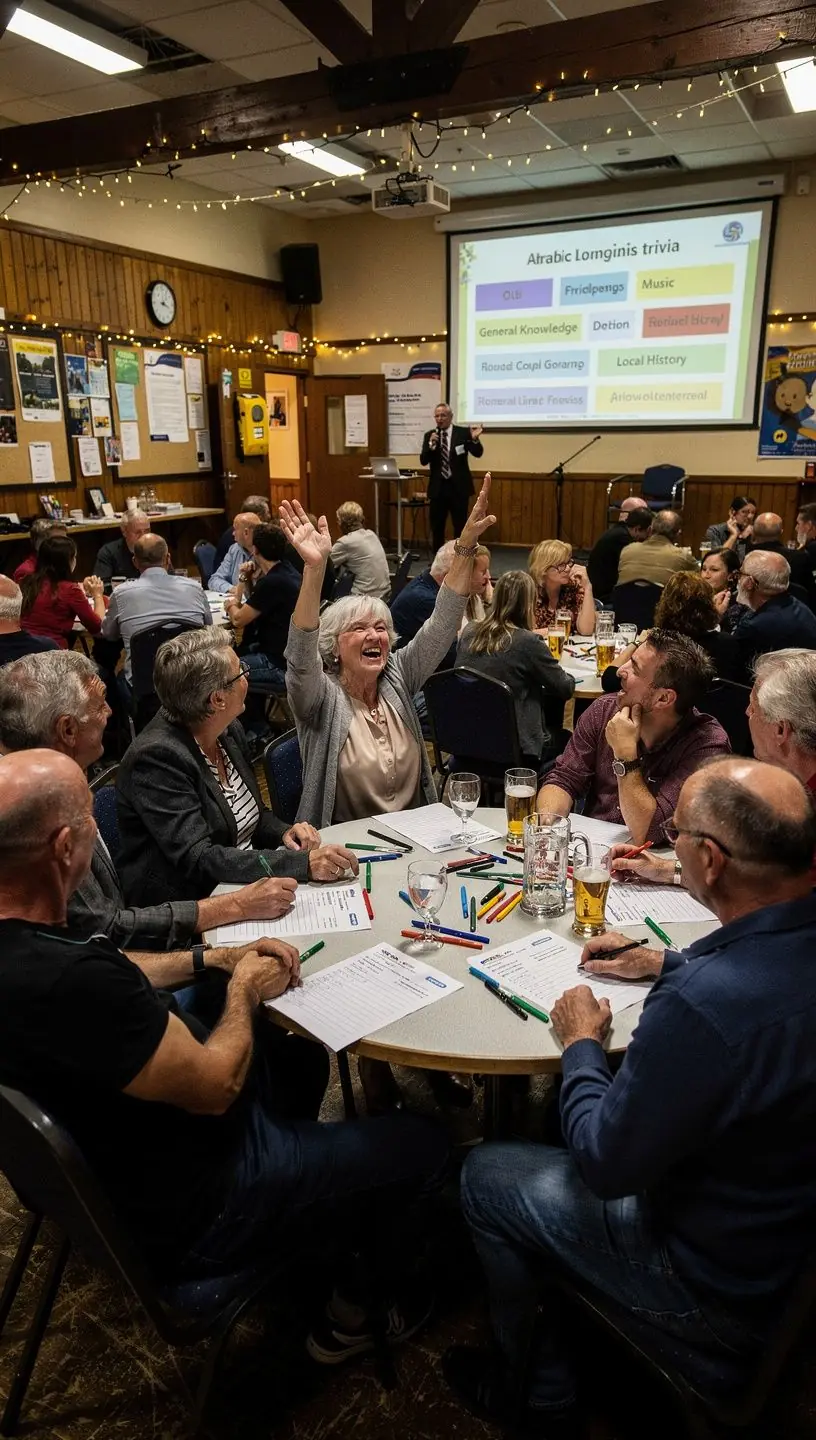
- Community Events: Organizing local events such as potlucks or cultural festivals can encourage participation from all ages. These gatherings provide a platform for sharing experiences and knowledge.
- Volunteering Programs: Many organizations benefit from having volunteers of all ages. Pairing younger volunteers with older adults can facilitate skill sharing and mentorship, creating a sense of purpose for both parties.
- Social Clubs: Initiating clubs focused on shared interests, such as music or board games, can help bridge the gap between generations. These activities encourage collaboration and foster friendships across age groups.
Challenges and Considerations
While fostering intergenerational connections is beneficial, it's important to acknowledge some challenges. These initiatives typically require significant time commitments and dedicated effort to establish genuine relationships.
Moreover, the effectiveness of these programs often depends on creating an inclusive environment, where all participants feel valued and respected. It may involve overcoming misconceptions about different age groups and engaging in continuous dialogue.
Conclusion
In summary, understanding and nurturing intergenerational connections can lead to more resilient and cohesive communities. While it requires effort and time, the benefits—such as enhanced social support and shared learning—are well worth it. By providing diverse opportunities for interaction, communities can harness the strengths of all age groups, fostering an environment of inclusivity and mutual respect.